As Indian agriculture moves toward sustainable and water-efficient practices, many farmers want to know the cost of drip irrigation per acre in India before investing in a modern irrigation system. While the exact cost varies depending on several factors, drip irrigation is widely recognized as a valuable long-term investment that helps improve crop productivity, conserve water, and reduce operational expenses. Netafim provides advanced drip irrigation solutions designed to meet the needs of different crops, farm sizes, and agricultural conditions.
Why Are Farmers Investing in Drip Irrigation Systems?
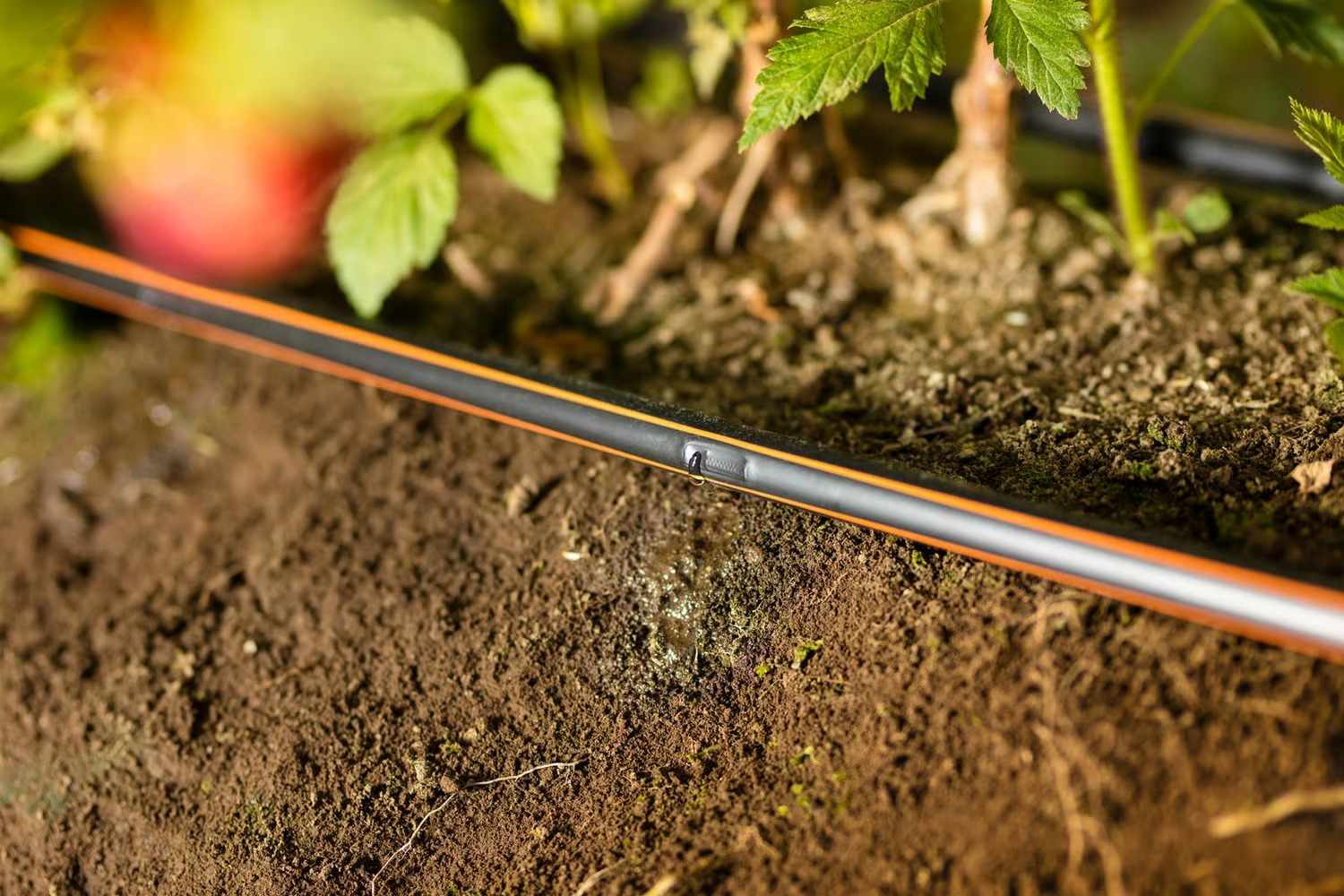
Water scarcity and increasing farming costs have encouraged growers to adopt efficient irrigation technologies. Drip irrigation delivers water directly to plant roots, ensuring optimal moisture levels while minimizing water wastage.
Benefits That Drive Drip Irrigation Adoption
Water savings of up to significant levels compared to traditional methods
Better crop growth and yield quality
Reduced fertilizer wastage
Lower labor requirements
Improved irrigation efficiency
Sustainable farming support
These advantages often make the investment worthwhile for both small and large farms.
What Factors Affect the Cost of Drip Irrigation Per Acre in India?
The cost of installing a drip irrigation system depends on various farm-specific requirements. Understanding these factors helps farmers plan their irrigation investment more effectively.
Crop Type
Different crops require different irrigation layouts, emitter spacing, and water flow rates.
High-Density Crops
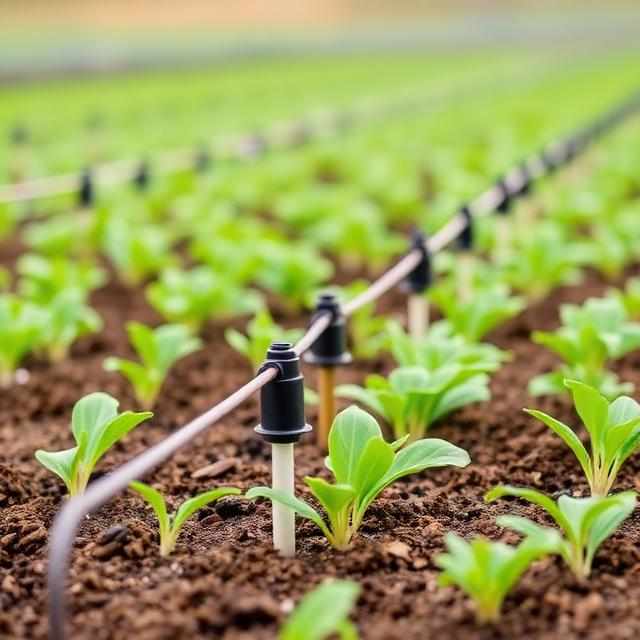
Vegetables and greenhouse crops may require more irrigation lines and drippers.
Orchard Crops
Fruit trees often need customized irrigation designs based on plant spacing.
Farm Layout and Size
Field shape, terrain, and acreage influence the amount of irrigation material required.
Water Source
The type of water source affects the need for pumps, filters, and additional infrastructure.
Automation Requirements
Basic drip systems generally cost less than automated irrigation systems with smart controllers and sensors.
Quality of Components
Premium irrigation products from trusted brands like Netafim often provide greater durability and long-term performance.
What Is Included in a Drip Irrigation System?
A complete drip irrigation setup includes multiple components that work together to ensure efficient water distribution.
Main Components
Drip pipes and driplines
Drippers and emitters
Filtration systems
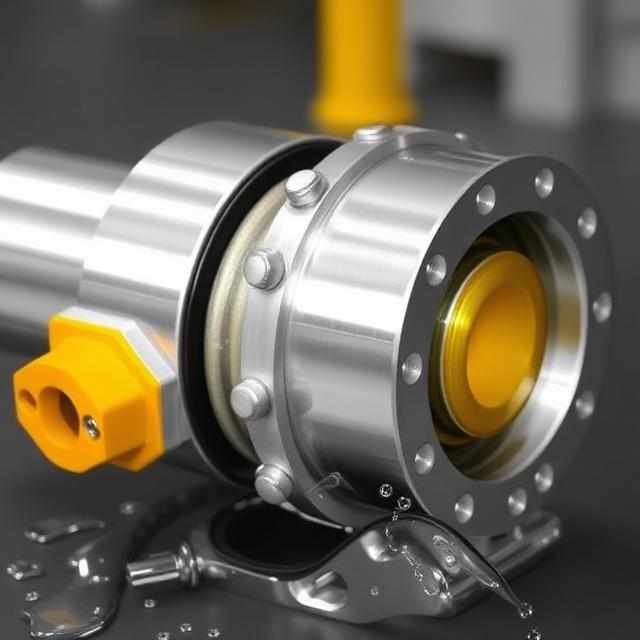
Valves and connectors
Mainline and sub-main pipes
Fertigation units
Automation equipment (optional)
Each component contributes to the overall effectiveness of the irrigation system.
How Does Netafim Help Farmers Maximize Their Investment?
Netafim focuses on delivering precision irrigation solutions that provide long-term value rather than simply reducing initial costs.
Netafim Solutions Offer
Advanced Water Management
Efficient irrigation technology helps optimize water use.
Durable Irrigation Components
High-quality products reduce maintenance and replacement costs.
Customized System Design
Solutions are tailored to specific crop and field requirements.
Smart Irrigation Technologies
Automation options improve efficiency and convenience.
Technical Support
Professional guidance helps ensure proper installation and operation.
These advantages help farmers achieve better returns on their irrigation investment.
Can Drip Irrigation Increase Farm Profitability?
While farmers often focus on the installation cost, the long-term economic benefits of drip irrigation can be substantial.
Financial Benefits
Lower water consumption
Reduced labor expenses
Improved crop yields
Better produce quality
Enhanced fertilizer efficiency
Increased farm productivity
Over time, these savings and productivity gains can offset the initial investment.
Which Crops Commonly Use Drip Irrigation in India?
Drip irrigation systems are widely used across different agricultural sectors.
Popular Applications Include
Sugarcane farming
Banana cultivation
Cotton farming
Tomato production
Onion cultivation
Chili farming
Pomegranate orchards
Grape vineyards
Mango plantations
Greenhouse farming
Netafim irrigation systems are designed to support these and many other crop categories.
Conclusion
Understanding the cost of drip irrigation per acre in India involves more than looking at installation expenses alone. The overall value comes from improved water efficiency, higher crop productivity, and reduced operating costs. Netafim continues to provide advanced drip irrigation solutions that help farmers adopt precision agriculture and sustainable farming practices.
For growers seeking long-term profitability and resource conservation, investing in a high-quality drip irrigation system can be one of the most beneficial decisions for modern agriculture.




Write a comment ...