In modern agriculture and gardening, efficient water management is key to achieving better productivity and sustainability. A drip pipe plays a crucial role in drip irrigation systems, ensuring that water is delivered directly to the roots of plants with precision. Also known as drip irrigation pipe, irrigation tubing, or micro-irrigation pipe, this component is fundamental for effective and controlled watering.
What is a Drip Pipe?
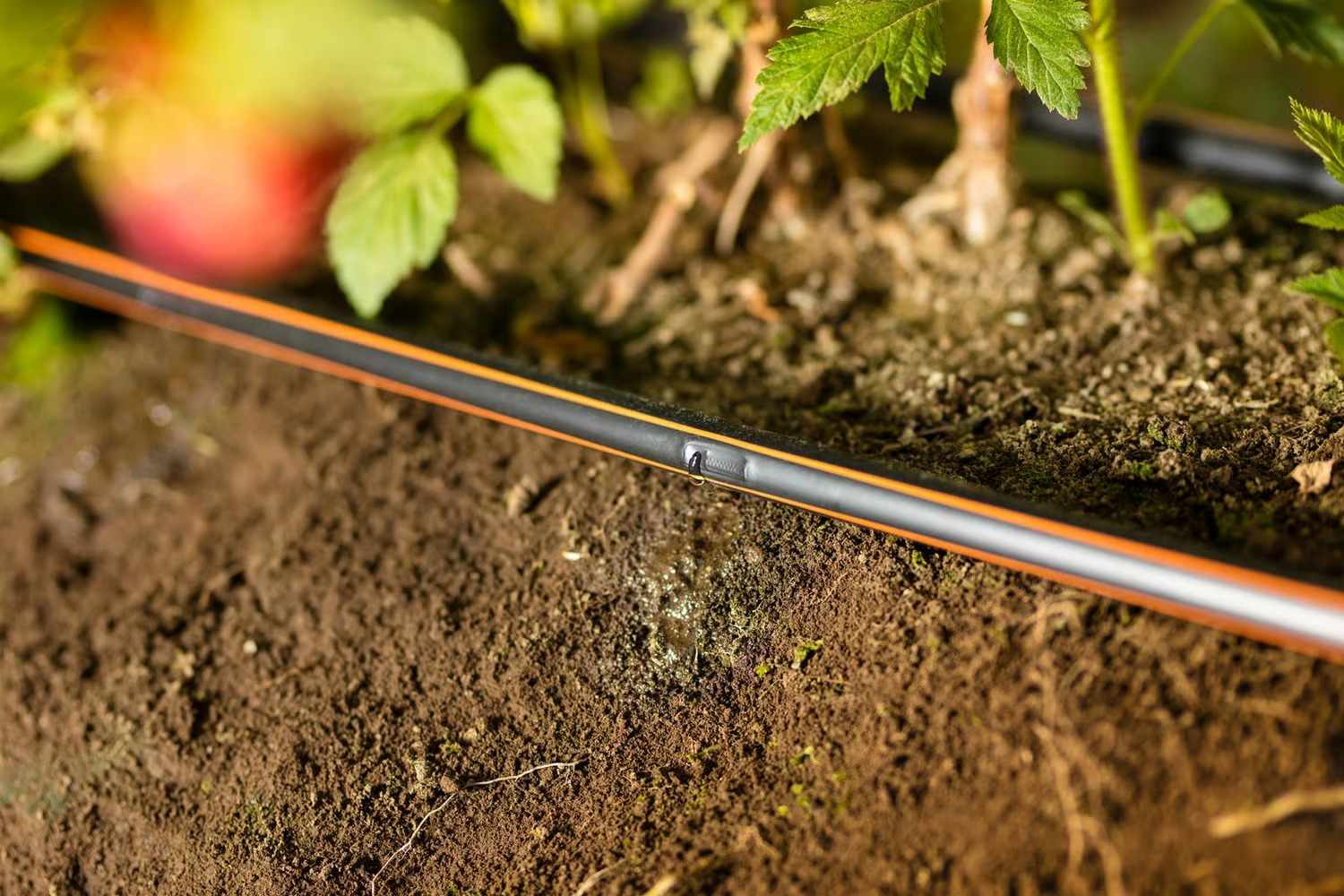
A drip pipe is a specially designed pipe used in drip irrigation to transport water from the source to plants. It contains small openings or emitters that release water slowly and evenly. Unlike traditional methods such as sprinkler irrigation systems or flood irrigation, drip pipes provide targeted irrigation, reducing water wastage and improving efficiency.
Often referred to as trickle irrigation pipe or drip line tubing, these pipes are designed to maintain consistent water flow and pressure throughout the irrigation system.
Types of Drip Pipes
There are different types of drip pipes used in irrigation systems:
1. Inline Drip Pipes
These pipes have emitters built directly into the pipe at fixed intervals. They are commonly used for row crops and large-scale farming.
2. Online Drip Pipes
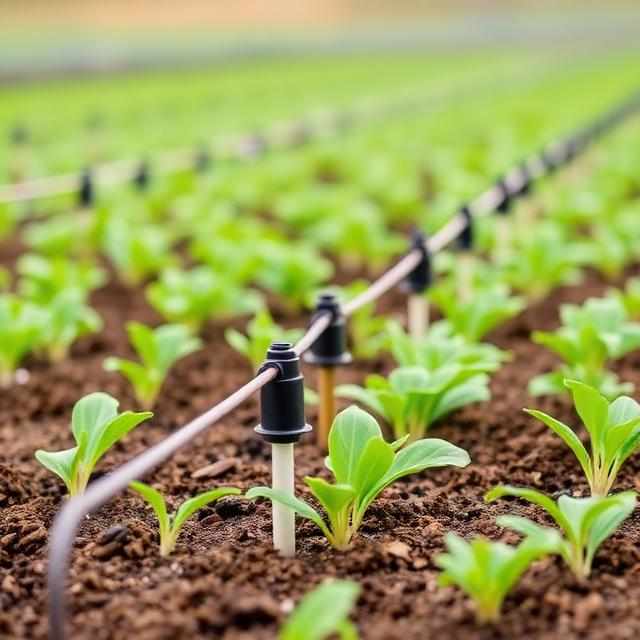
In this type, emitters are attached externally to the pipe, allowing flexibility in spacing. These are ideal for orchards and gardens.
3. Pressure-Compensating Drip Pipes
These pipes ensure uniform water flow even on uneven terrain or varying pressure conditions, making them suitable for advanced precision irrigation systems.
Key Features of Drip Pipes
Modern drip irrigation pipes offer several advanced features:
Durable materials for long-lasting performance
Clog-resistant emitters for consistent water flow
UV resistance for outdoor use
Flexible design for easy installation
Uniform water distribution across the field
Leading brands like Netafim provide high-quality drip pipes designed for reliability and efficiency in both agriculture and landscaping.
Benefits of Using Drip Pipes
1. Water Efficiency
A drip pipe delivers water directly to plant roots, minimizing evaporation and runoff. This makes it more efficient than spray irrigation systems.
2. Improved Crop Growth
Consistent and controlled watering helps plants grow healthier, leading to higher yields and better-quality produce.
3. Reduced Weed Growth
Since water is applied only where needed, surrounding soil remains dry, limiting weed growth.
4. Fertigation Compatibility
Drip irrigation systems with drip pipes allow for fertigation, where nutrients are delivered along with water, improving nutrient absorption.
5. Cost-Effective Solution
Lower water usage and reduced labor requirements make drip pipes a cost-effective option for farmers and gardeners.
Applications of Drip Pipes
Drip pipes are widely used in various applications:
Field crops like cotton, sugarcane, and maize
Fruits such as grapes, bananas, and citrus
Vegetables including tomatoes, onions, and chilies
Greenhouses and polyhouses
Home gardens and landscaping
With solutions from Netafim, drip pipes can be customized to suit different crop types, soil conditions, and irrigation needs.
Why Choose Netafim Drip Pipes?
Netafim is a global leader in drip irrigation technology, offering advanced drip pipes that ensure precision and durability. Their products are designed to deliver optimal performance while conserving water and energy.
Key advantages of choosing Netafim include:
Advanced emitter technology for accurate water delivery
Strong and durable materials for long-term use
Anti-clogging design for reliable operation
Custom solutions for various farming needs
Expert technical support and guidance
Drip Pipes vs. Traditional Irrigation Methods
Compared to conventional irrigation methods, drip pipes provide superior efficiency and control. While flood irrigation can lead to water wastage and soil erosion, and sprinkler systems may lose water due to evaporation, drip pipes ensure targeted irrigation with minimal loss.
Conclusion
As agriculture moves toward sustainable practices, the use of drip pipes in drip irrigation systems has become essential. Also known as micro-irrigation pipes or trickle irrigation tubing, these pipes offer precise, efficient, and cost-effective watering solutions.
By choosing reliable products from Netafim, farmers and gardeners can enhance productivity while conserving valuable resources. Investing in high-quality drip pipes is a smart step toward modern, efficient, and sustainable irrigation.





Write a comment ...