Introduction
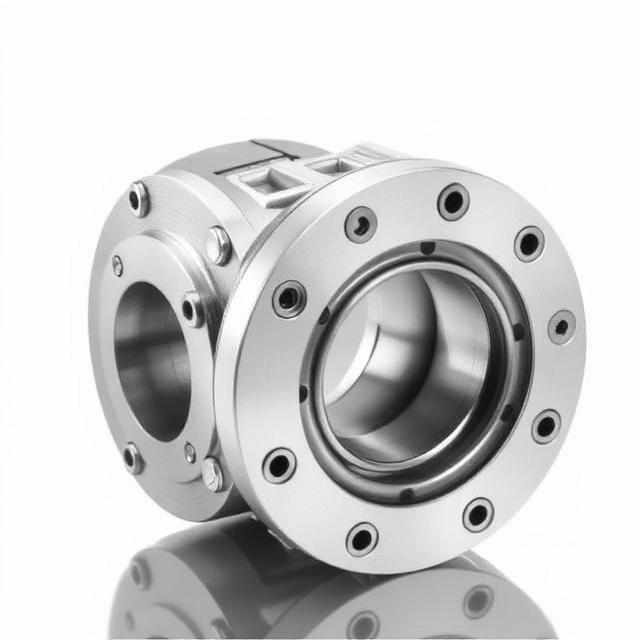
Couplings are mechanical devices used to connect two shafts together for the purpose of transmitting power. They are widely used in various industries to ensure smooth and efficient operation of machinery while accommodating slight misalignments and reducing mechanical stress.
What Are Couplings?
A coupling connects the driving shaft (input) to the driven shaft (output), allowing torque to be transmitted from one to the other. They are designed to maintain alignment, absorb shocks, and protect machinery from overload conditions.
Types of Couplings
There are several types of couplings, each designed for specific applications:
Rigid Couplings: Used where precise shaft alignment is required
Flexible Couplings: Allow for slight misalignment and absorb vibrations
Gear Couplings: Suitable for high torque applications
Disc Couplings: Ideal for high-speed and precise operations
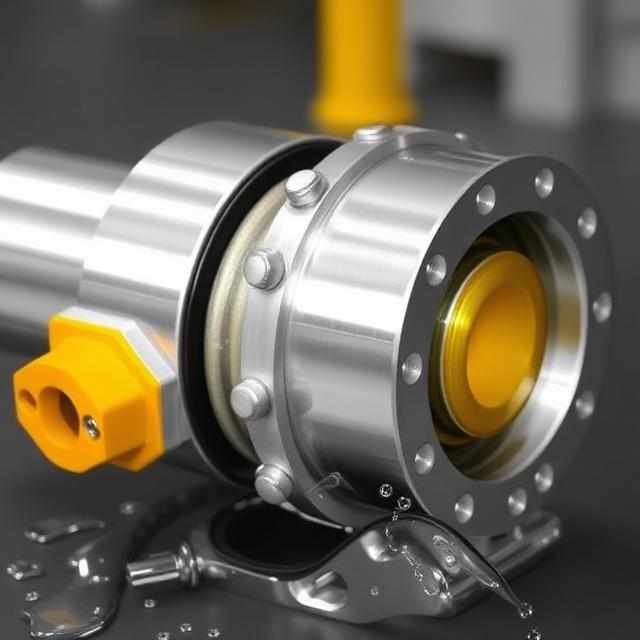
Fluid Couplings: Use hydraulic fluid to transmit power smoothly
Chain Couplings: Provide simple and durable power transmission
Key Features
Efficient torque transmission
Ability to handle misalignment
Shock and vibration absorption
Protection against overload
Long service life and reliability
Applications
Couplings are used in a wide range of industries, including:
Manufacturing and heavy machinery
Pumps and compressors
Power plants and energy sector
Automotive systems
Conveyor systems and material handling
Advantages
Reduces wear and tear on machinery
Improves system efficiency
Minimizes downtime and maintenance
Enhances operational safety
Conclusion
Couplings are vital components in mechanical systems, ensuring efficient and reliable power transmission. With various types available, they can be selected based on specific industrial needs, helping improve performance and extend the life of equipment.






Write a comment ...