
In the world of mechanical engineering and industrial machinery, couplings are essential components that connect two rotating shafts to transmit power efficiently. Among the different types available, flange couplings are widely known for their robust construction and ability to handle high torque loads, making them indispensable in heavy-duty applications.
What Are Couplings?
At their core, couplings are mechanical devices that connect two shafts to transfer rotational power from one to another. Whether in pumps, compressors, conveyors, or turbines, couplings ensure smooth power transmission, while compensating for shaft misalignment and reducing vibration and wear.
There are two broad categories of couplings:
Rigid Couplings: Designed for precise alignment. Ideal where shafts are already perfectly aligned.
Flexible Couplings: Compensate for minor misalignments, reduce vibration, and handle shock loads.
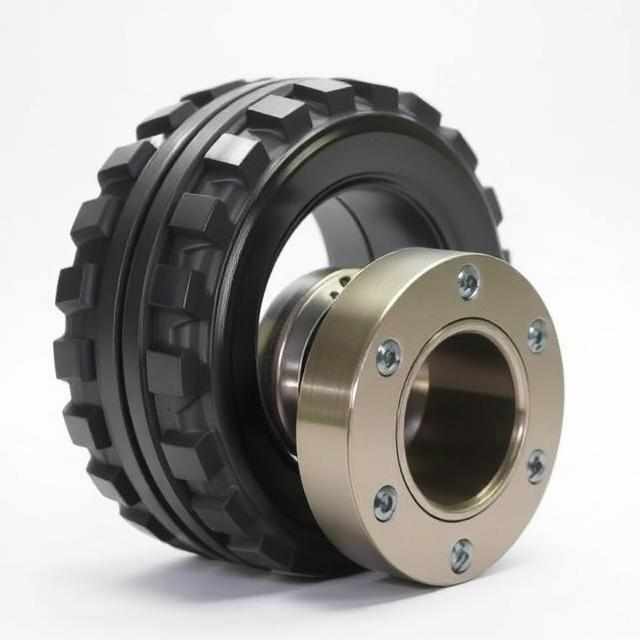
Couplings come in many forms—gear couplings, disc couplings, tyre couplings, and flange couplings, each with its own unique function and advantage.
Introduction to Flange Couplings
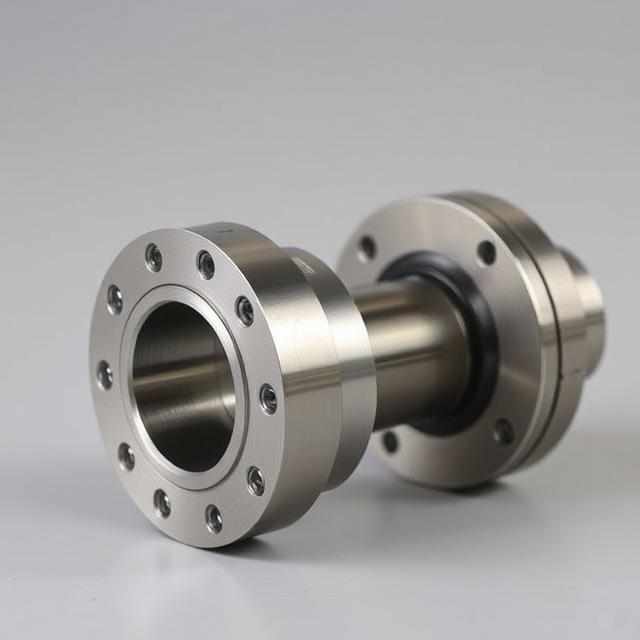
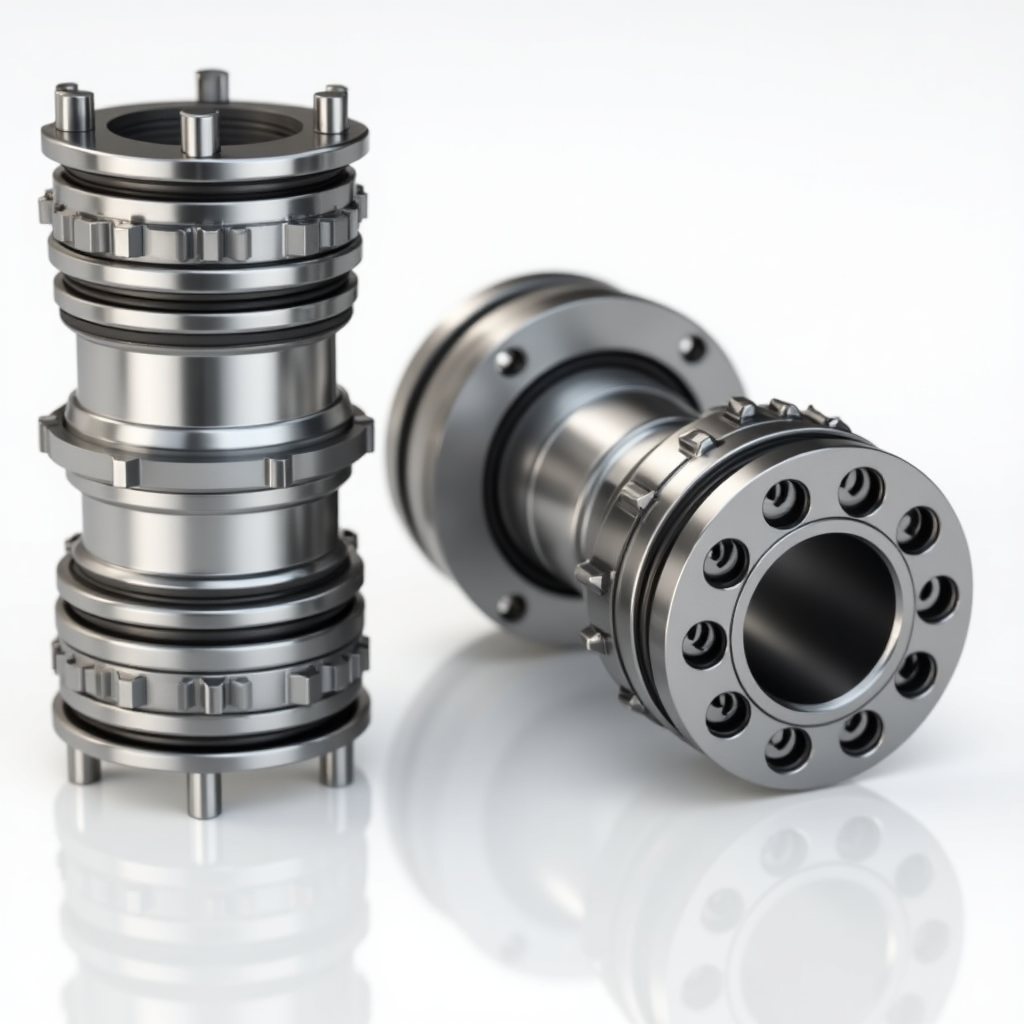
Flange couplings are among the most reliable and widely used types of couplings in industrial setups. They consist of two cast iron flanges that are fixed at the ends of the shafts to be connected. These flanges are bolted together with high-strength bolts, ensuring a rigid and stable connection.
Commonly used in power plants, mining, metallurgy, and marine applications, flange couplings are built to endure high torque and operate under extreme conditions.
Types of Flange Couplings
There are several types of flange couplings available, based on the specific requirements of torque, speed, and application:
Unprotected Type Flange Coupling
Both flanges are connected via bolts and nuts. Suitable for light to medium-duty applications.Protected Type Flange Coupling
Comes with a protective flange cover that shields the bolts and nuts—suitable for safer operations in heavy-duty environments.Marine Type Flange Coupling
Designed for marine applications where water resistance and vibration absorption are crucial.
Each of these flange couplings has a specific role and can be customized depending on the operating environment and technical load requirements.
Advantages of Using Flange Couplings
Flange couplings are preferred for several reasons:
High Torque Handling: Ideal for heavy-load machinery.
Easy to Assemble/Disassemble: Especially beneficial during maintenance.
Rigid Connection: Ensures no slippage or backlash in power transfer.
Cost-Effective: Long life span reduces replacement costs over time.
Customizable: Can be tailored for various industrial needs.
These advantages make flange couplings an attractive choice for engineers and equipment manufacturers looking for a dependable power transmission solution.
Applications of Flange Couplings
Because of their strength and durability, flange couplings are used across numerous sectors, including:
Steel & metal industries
Thermal & hydro power plants
Chemical processing units
Shipbuilding and marine engineering
Construction equipment manufacturing
In all these industries, coupling failure could mean downtime, damage, and revenue loss—making the choice of coupling a mission-critical decision.
What to Look for in a Quality Coupling Manufacturer?
When selecting a flange coupling, it’s not just about the design; it’s also about who makes it. A trustworthy manufacturer ensures:
ISO-certified materials and manufacturing standards
Precision engineering for tight tolerances
Robust quality control and testing
Customization options for unique industrial needs
A poorly manufactured coupling can lead to frequent breakdowns, higher maintenance costs, and production delays.
Conclusion
Whether you're setting up a new industrial unit or upgrading your machinery, choosing the right couplings, particularly flange couplings, is crucial for reliable and efficient power transmission. A good understanding of different coupling types can help in selecting the most appropriate one for your application. If you want to explore the complete variety of coupling types and their unique functions, this guide to the major different types of couplings offers a detailed overview to help you make informed decisions.











Write a comment ...